
Haiti is one of the countries where we permanently experience stressful situations, whether caused by natural disasters or by the political situation. Recently, Haitians have endured the coronavirus and cholera pandemics, earthquakes, frequent hurricanes, domestic violence, physical abuse, sexual abuse, excessive alcohol use, and also the incessant political crisis and the daily violence of the gangs who have taken over the capital of Port au Prince and some areas in the countryside. These situations promote chronic unemployment, financial and food insecurity, and poverty—all known risk factors for mental health problems. Up to this point the Jeremie area has remained relatively peaceful. But the economic conditions have worsened due to the general insecurity in the country. Everybody in Haiti is traumatized.
Women and girls are particularly vulnerable, being more exposed to the vicious cycle of poverty and poor mental health. These situations can even call into question the possibility of lasting peace, human rights, and sustainable development for this population. The lack of basic mental health services in a community has negative effects on both the physical and mental health, indeed on the quality of life of its people.
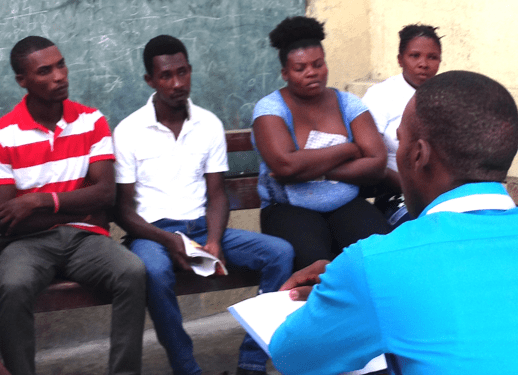
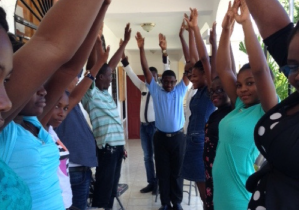
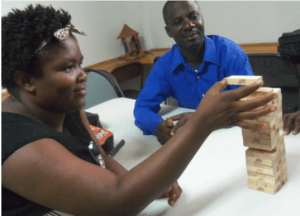
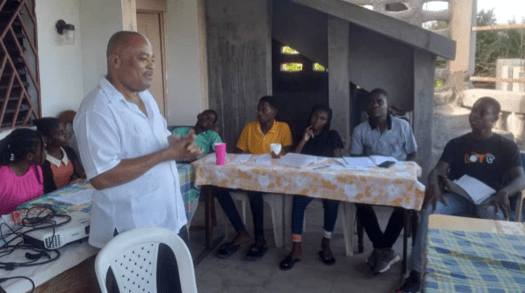
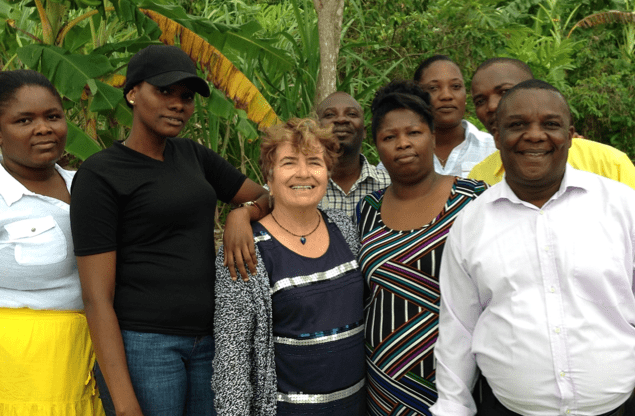
Given these issues, we began with a community mental health program in Jeremie and its rural surroundings. The program was readily accepted by the population, and in the first three years of our existence, we reached over 5,000 people. We trained community members in basic psychological mental health first aid. After a year of training, they received certificates as community mental health agents.
In the first years of operation, we learned:
- Counseling is not widely available or affordable in Haiti. When working with Haitian clients, we found a systems-focused approach worked best.
- Most Haitians not only desire, but also expect an organized and direct plan of action at the end of their first session. Haitians can tend to feel like they are wasting their time in therapy; therefore, feedback and active engagement at the outset are necessary ingredients.
- Actively engaging clients will not be interpreted as intrusive and will promote positive transference. Neutrality will be interpreted as indifference and even incompetence.
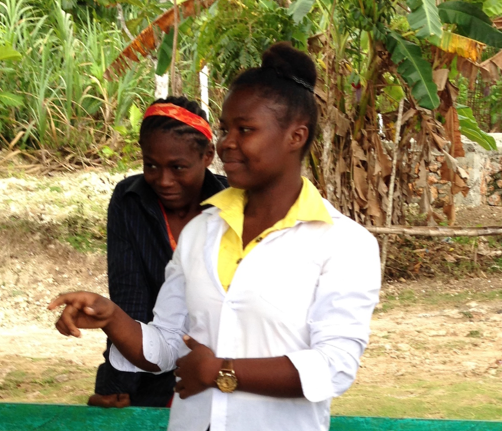
Currently we offer periodic educational programs in Jeremie and in the countryside, each attracting more than 50 participants who are eager to learn more.The community mental health agents work in schools, outdoors, or in churches, and our trainings are always well attended. We utilize games, skits, and role playing, and we are always looking for feedback to make this a genuinely enculturated community mental health program.



Finding Light when the Shadows Seem Overwhelming
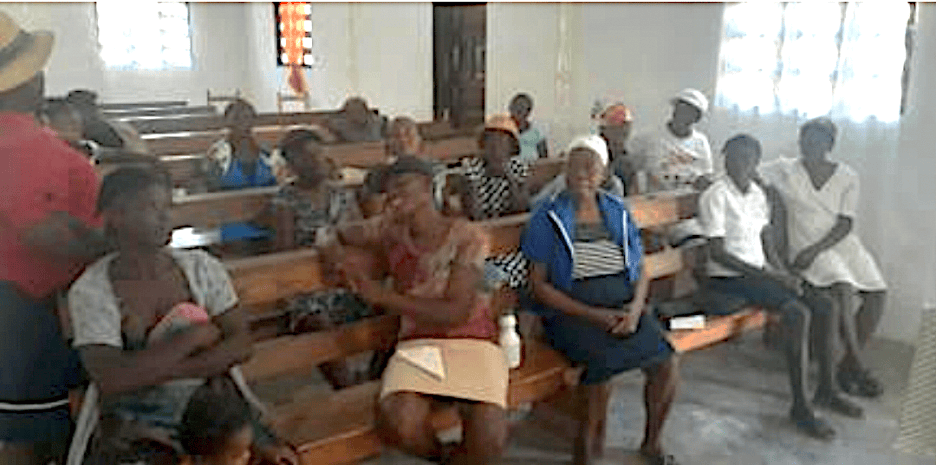
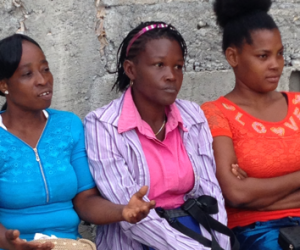
These people had been displaced by a gang and were now returning to the Deschamps area. When they came to the church, Pastor Erik took the opportunity to talk to them about stress reduction and some techniques he learned in the mental health training. Pastor Erik reported that the villagers appreciated the training and want more.
Despite the challenging situation in Haiti right now, the program continues and is more needed than ever.

